Damisa Solution


Problem
Collecting payments from international clients creates payment friction.
Traditional banking forces businesses to open a local entity and bank account in every market they wish to collect from, or ask clients to send expensive, slow international wires.
Operating without local collection infrastructure pushes finance teams to manage unidentified incoming payments, chase clients for remittance details, navigate manual reconciliation against open invoices, and absorb foreign exchange markups that are rarely disclosed upfront.
Clients face issues sending payments, and finance teams lose time and efficiency matching funds to the correct invoice or account.
Solution
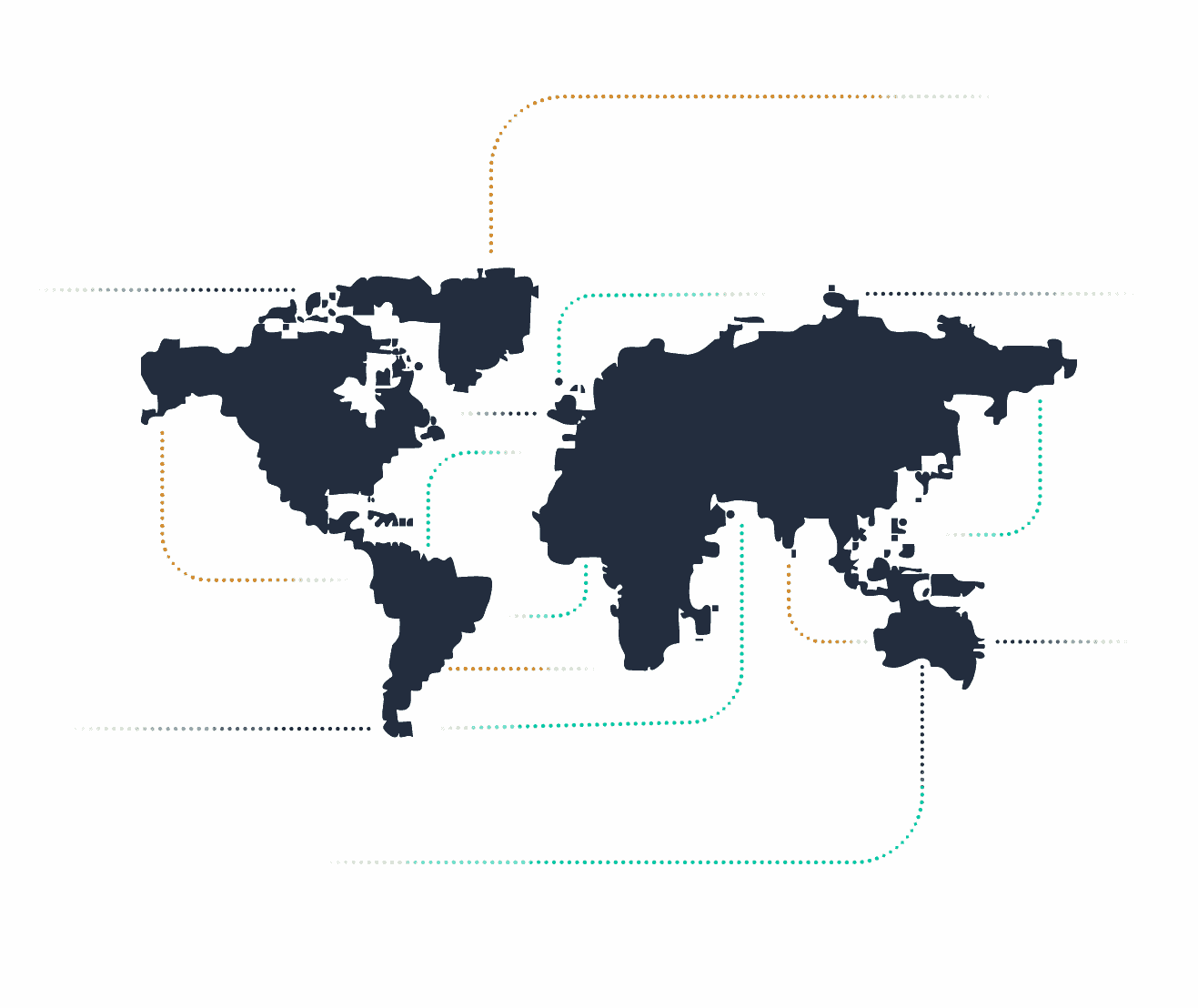
Global B2B collections refer to the process of receiving payments from clients located in different countries, in their local currency, without opening a banking relationship in each market.
A business issues local collection details, often a unique virtual IBAN per client or invoice, so that international clients pay as though sending a domestic payment.
Funds arrive already identified and allocated to the correct client or invoice, settled through local rails, even on weekends, while the receiving business manages everything from one account.
How it works
How Damisa's Global B2B Collections Work
1. Request Details
A business requests local collection details from the Damisa dashboard or via API, assigned to a specific client, invoice, or inbound flow.
2. Client Payment
The client pays using those details.
3. Automated Matching
Funds arrive into the Damisa account and are automatically matched to the originating client or invoice.
4. Consolidated Account
The business holds, converts, or moves the funds onward, all from a single consolidated account.
Damisa's standards
Reliability Behind Every Solution
FAQs
Global B2B Collections FAQs
Clear answers for complex treasury operations.
About Us