
Transforming Cross-Border Commodity Payments: The Guide to Instant Global Settlement
Transforming Cross-Border Commodity Payments: The Guide to Instant Global Settlement
Transforming Cross-Border Commodity Payments: The Guide to Instant Global Settlement
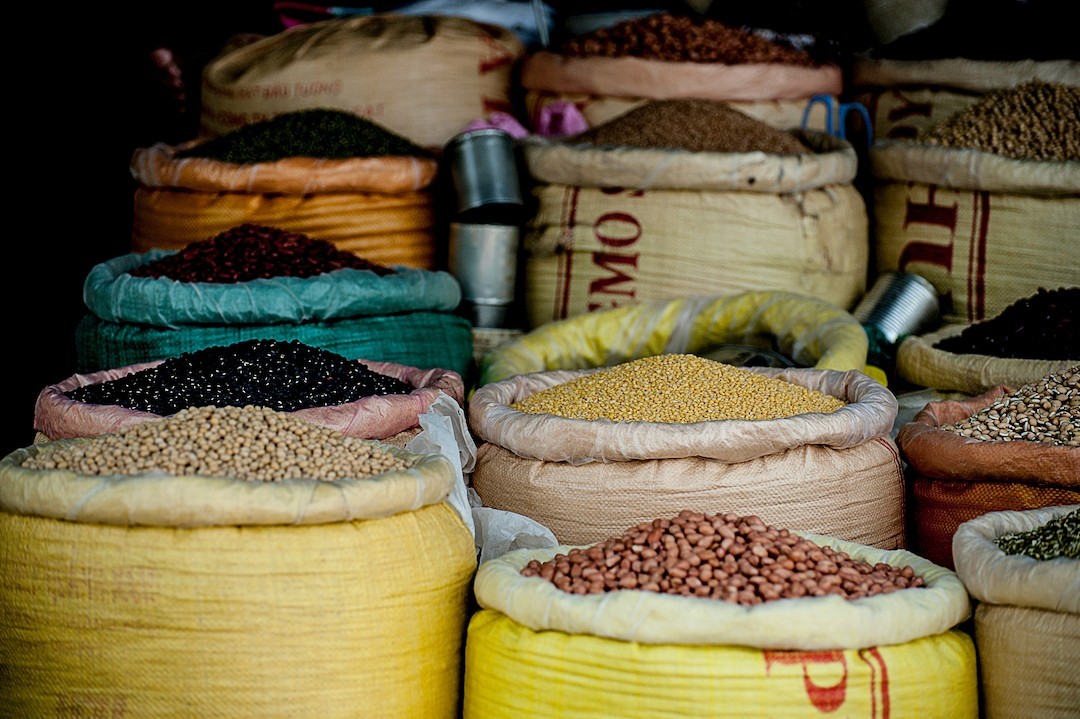
In the high-volume world of international trade, speed is not just a luxury; it is a capital requirement. For exporters in Latin America, importers in Asia, and suppliers across Africa, Cross-Border Commodity Payments represent the vital artery of commerce. Yet, this artery is often clogged by a legacy banking infrastructure that was built for a pre-digital era.
At Damisa, we believe that moving money should be as efficient as moving data. This article explores the mechanics of Cross-Border Commodity Payments, the friction points costing businesses billions, and how stablecoin infrastructure is finally modernising global trade.
What You Will Learn
The Definition: What Cross-Border Commodity Payments are and who they impact.
The Problem: Why traditional banking methods cause demurrage and cash flow gaps.
The Solution: How blockchain and stablecoins eliminate intermediaries.
Real-World Scenario: A comparison of a traditional vs. a modern transaction.
FAQ: Common questions regarding security and compliance.
What Are Cross-Border Commodity Payments?
Cross-Border Commodity Payments are large-scale financial settlements between a payer in one country and a payee in another, specifically exchanged for raw materials or primary agricultural products. Unlike standard B2B transactions, these payments involve immense value, complex logistics, and often volatile assets, ranging from coffee beans in Brazil and copper in Zambia to electronics components in Southeast Asia.
Who Does This Target?
These payments are the concern of CFOs, treasurers, and supply chain directors within:
Trading Houses: Intermediaries buying and selling raw materials.
Producers & Exporters: Mines, agricultural cooperatives, and energy companies in emerging markets.
Manufacturers: Large-scale importers requiring steady streams of raw inputs.
Which Markets Should Be Concerned?
While this affects global trade, the friction is most acute in the South-South and South-North trade corridors. Specifically, the shipping lanes connecting LATAM, Africa, and Asia face the highest correspondent banking fees and the slowest processing times.
Read more on regional specifics in our Guide to B2B Cross-Border Payments in Latin America.
The Current Landscape of Cross-Border Commodity Payments
To understand the solution, we must first map the existing terrain. Currently, Cross-Border Commodity Payments rely heavily on a network of correspondent banks. This is not a direct line from Bank A to Bank B; it is a relay race involving multiple intermediaries, each adding friction.
Traditional Methods of Transfer: The "Old Rails"
SWIFT Wire Transfers: Often mistaken for a money transfer system, SWIFT is actually just a messaging system. It tells Bank A to debit an account and credit Bank B via a chain of intermediary banks (Correspondent Banking). If one link in that chain fails or requires a manual compliance check, the money stalls.
Letters of Credit (LCs): A bank guarantee ensuring payment once physical cargo documents are presented. While secure, LCs are paper-heavy, expensive (often 1–3% of value), and slow to issue.
Documentary Collections: A process where the exporter instructs their bank to forward documents to the importer’s bank with payment instructions. It offers less security than an LC but is still burdened by manual processing.
The Challenges: Where Value is Lost
Despite their ubiquity, these methods introduce structural inefficiencies that damage margins in low-margin commodity trades:
The "Liquidity Trap" (Slow Processing): A wire transfer from Lagos to Shanghai is rarely direct. It may route through London or New York for clearing. This takes 3–5 days. During this time, that capital is "dead", it is earning no interest and cannot be used.
The Intermediary Tax: Each bank in the correspondent chain levies a fee. On high-volume commodity trades, a 3–5% loss on FX spreads and wire fees can wipe out the net profit margin of the deal.
Demurrage Fees: This is the silent killer in logistics. When payments are delayed by banks, cargo cannot be released and sits at the port. The recipient incurs massive daily fines (demurrage).
For a deeper dive, read How Can Stablecoins Help Address Demurrage Costs in Global Supply Chains?
The "Black Box" of Transparency: Once funds leave the sender's account, they vanish into the banking network. Treasurers often cannot say where the money is or why it is stuck, making it impossible to give suppliers accurate updates.
Modernising Cross-Border Commodity Payments with Blockchain
The financial world is shifting from the "messaging" era of SWIFT to the "value movement" era of blockchain. By utilising stablecoins (digital currencies pegged 1:1 to assets like the US Dollar), businesses can execute Cross-Border Commodity Payments that settle instantly, 24/7/365.
Why Has the Commodity Sector Been Slow to Adapt?
If the technology is superior, why isn't everyone using it? The commodity sector is built on trust and risk mitigation.
Volatility Concerns: CFOs cannot risk a 10% drop in Bitcoin prices during a transaction.
Regulatory Grey Areas: Compliance officers have historically been wary of "crypto" due to perceived links to illicit finance.
Lack of Institutional Grade Partners: Until recently, few providers offered the robust "Know Your Customer" (KYC) and "Know Your Transaction" (KYT) standards required by global enterprises.
The Turning Point: Stablecoins and Infrastructure
The narrative has changed. We are no longer talking about speculative tokens; we are talking about Stablecoins—digital dollars that do not fluctuate.
Learn the difference in our article: What is B2B Crypto? (Hint: It’s Not About Speculation).
However, moving to this new rail requires due diligence. CFOs must ensure their partners are compliant to avoid regulatory pitfalls.
Before making the switch, we recommend reading: 10 Questions to Ask When Vetting a Stablecoin Payments Partner.
How Damisa Orchestrates Cross-Border Commodity Payments
Damisa bridges the gap between traditional finance (TradFi) and the speed of blockchain (DeFi). We understand that you do not want to "trade crypto"; you want to settle invoices.
We act as a Payment Orchestrator, managing the entire lifecycle of the transaction so you don't have to navigate the complexity yourself.
1. Seamless On-Ramping and Off-Ramping
You do not need to hold digital assets on your balance sheet if you don't wish to.
Sender: Pays in local Fiat currency (e.g., Real, Naira, or USD).
Damisa: Instantly converts this to a stablecoin (like USDC) at institutional rates.
Receiver: Can choose to receive the Stablecoin (for further payments) or have it automatically converted into their local Fiat currency.
Read more on how this works: On-ramps and Off-ramps Explained.
2. Institutional Compliance (KYT)
Security is our baseline. We employ real-time Know Your Transaction (KYT) monitoring. This ensures every Cross-Border Commodity Payment is screened against sanctions lists and money laundering databases before it settles, offering a level of security that often surpasses traditional banking checks.
See: What is Know Your Transaction (KYT)?
3. Smart Contract Automation
For commodity traders, we can implement "programmable payments." Instead of waiting days for an LC to clear, a smart contract can automatically release funds the moment digital shipping documents are verified on the chain. This effectively automates trust.
Visualising the Change: A Real-World Scenario
To illustrate how Damisa modernises Cross-Border Commodity Payments, let us look at a typical scenario involving a copper shipment from Zambia to China.
The Old Way: The "Wait and Pay" Trap
Day 1: The buyer in China initiates a USD SWIFT transfer.
Day 2-3: The funds route through a US intermediary bank for clearance. Compliance checks flag the transaction due to jurisdiction, pausing the flow.
Day 5: The funds finally arrive in the Zambian exporter’s account.
The Consequence: The cargo arrived at the port on Day 3. Because payment wasn't confirmed, the goods sat in customs for 48 hours. The exporter incurs heavy demurrage fees, and the buyer faces production delays.
The Damisa Way: Instant Cross-Border Commodity Payments
Hour 0: The buyer in China initiates a payment using USDC (a regulated stablecoin) via the Damisa platform.
Hour 0 + 10 Minutes: The blockchain processes the transaction. Compliance checks (KYT) are run instantly in the background.
Hour 0 + 15 Minutes: The funds settle in the Zambian exporter’s digital wallet.
The Result: The payment is confirmed before the ship even docks. The cargo is released immediately upon arrival. Zero demurrage fees. Zero delay.
This is the power of Stablecoin Rails to Power Payouts in Emerging Markets.
FAQ: Cross-Border Commodity Payments
Are Cross-Border Commodity Payments via stablecoins safe?
Yes.
Damisa utilises regulated stablecoins (like USDC) and enterprise-grade security. Unlike volatile cryptocurrencies, these assets are fully backed by fiat reserves.
We also employ rigorous KYT (Know Your Transaction) protocols to ensure compliance.
Read more: USDC vs USDT for Business: The CFO’s Guide to Safer Settlements.
How do I handle currency conversion in Cross-Border Commodity Payments?
Damisa provides seamless on-ramps and off-ramps.
You can fund the transaction in your local currency, we convert to stablecoins for the transit, and the recipient can withdraw in their local currency or hold USD.
See: On-ramps and Off-ramps Explained.
Will using blockchain for Cross-Border Commodity Payments complicate my accounting?
No.
While the "rails" are different, the output is standard.
Damisa provides clear, exportable transaction data that integrates with standard ERP systems, making reconciliation easier than deciphering complex SWIFT codes.
Which industries benefit most from this method?
Any industry with high-value, time-sensitive shipments. This includes agriculture (perishable goods), energy (oil and gas), and raw minerals, where delays translate directly to lost revenue.
Conclusion: The Future of Global Trade
The friction associated with Cross-Border Commodity Payments—the delays, the hidden fees, and the opacity, is no longer a necessary cost of doing business. It is a legacy problem with a modern solution.
By leveraging stablecoins and blockchain technology, Damisa empowers businesses in LATAM, Africa, and Asia to reclaim control of their cash flow and logistics. We strip away the crypto complexity to provide a pure, efficient payment utility.
Ready to eliminate delays and modernise your transactions?
Discover how Damisa can optimise your Cross-Border Commodity Payments today.
In the high-volume world of international trade, speed is not just a luxury; it is a capital requirement. For exporters in Latin America, importers in Asia, and suppliers across Africa, Cross-Border Commodity Payments represent the vital artery of commerce. Yet, this artery is often clogged by a legacy banking infrastructure that was built for a pre-digital era.
At Damisa, we believe that moving money should be as efficient as moving data. This article explores the mechanics of Cross-Border Commodity Payments, the friction points costing businesses billions, and how stablecoin infrastructure is finally modernising global trade.
What You Will Learn
The Definition: What Cross-Border Commodity Payments are and who they impact.
The Problem: Why traditional banking methods cause demurrage and cash flow gaps.
The Solution: How blockchain and stablecoins eliminate intermediaries.
Real-World Scenario: A comparison of a traditional vs. a modern transaction.
FAQ: Common questions regarding security and compliance.
What Are Cross-Border Commodity Payments?
Cross-Border Commodity Payments are large-scale financial settlements between a payer in one country and a payee in another, specifically exchanged for raw materials or primary agricultural products. Unlike standard B2B transactions, these payments involve immense value, complex logistics, and often volatile assets, ranging from coffee beans in Brazil and copper in Zambia to electronics components in Southeast Asia.
Who Does This Target?
These payments are the concern of CFOs, treasurers, and supply chain directors within:
Trading Houses: Intermediaries buying and selling raw materials.
Producers & Exporters: Mines, agricultural cooperatives, and energy companies in emerging markets.
Manufacturers: Large-scale importers requiring steady streams of raw inputs.
Which Markets Should Be Concerned?
While this affects global trade, the friction is most acute in the South-South and South-North trade corridors. Specifically, the shipping lanes connecting LATAM, Africa, and Asia face the highest correspondent banking fees and the slowest processing times.
Read more on regional specifics in our Guide to B2B Cross-Border Payments in Latin America.
The Current Landscape of Cross-Border Commodity Payments
To understand the solution, we must first map the existing terrain. Currently, Cross-Border Commodity Payments rely heavily on a network of correspondent banks. This is not a direct line from Bank A to Bank B; it is a relay race involving multiple intermediaries, each adding friction.
Traditional Methods of Transfer: The "Old Rails"
SWIFT Wire Transfers: Often mistaken for a money transfer system, SWIFT is actually just a messaging system. It tells Bank A to debit an account and credit Bank B via a chain of intermediary banks (Correspondent Banking). If one link in that chain fails or requires a manual compliance check, the money stalls.
Letters of Credit (LCs): A bank guarantee ensuring payment once physical cargo documents are presented. While secure, LCs are paper-heavy, expensive (often 1–3% of value), and slow to issue.
Documentary Collections: A process where the exporter instructs their bank to forward documents to the importer’s bank with payment instructions. It offers less security than an LC but is still burdened by manual processing.
The Challenges: Where Value is Lost
Despite their ubiquity, these methods introduce structural inefficiencies that damage margins in low-margin commodity trades:
The "Liquidity Trap" (Slow Processing): A wire transfer from Lagos to Shanghai is rarely direct. It may route through London or New York for clearing. This takes 3–5 days. During this time, that capital is "dead", it is earning no interest and cannot be used.
The Intermediary Tax: Each bank in the correspondent chain levies a fee. On high-volume commodity trades, a 3–5% loss on FX spreads and wire fees can wipe out the net profit margin of the deal.
Demurrage Fees: This is the silent killer in logistics. When payments are delayed by banks, cargo cannot be released and sits at the port. The recipient incurs massive daily fines (demurrage).
For a deeper dive, read How Can Stablecoins Help Address Demurrage Costs in Global Supply Chains?
The "Black Box" of Transparency: Once funds leave the sender's account, they vanish into the banking network. Treasurers often cannot say where the money is or why it is stuck, making it impossible to give suppliers accurate updates.
Modernising Cross-Border Commodity Payments with Blockchain
The financial world is shifting from the "messaging" era of SWIFT to the "value movement" era of blockchain. By utilising stablecoins (digital currencies pegged 1:1 to assets like the US Dollar), businesses can execute Cross-Border Commodity Payments that settle instantly, 24/7/365.
Why Has the Commodity Sector Been Slow to Adapt?
If the technology is superior, why isn't everyone using it? The commodity sector is built on trust and risk mitigation.
Volatility Concerns: CFOs cannot risk a 10% drop in Bitcoin prices during a transaction.
Regulatory Grey Areas: Compliance officers have historically been wary of "crypto" due to perceived links to illicit finance.
Lack of Institutional Grade Partners: Until recently, few providers offered the robust "Know Your Customer" (KYC) and "Know Your Transaction" (KYT) standards required by global enterprises.
The Turning Point: Stablecoins and Infrastructure
The narrative has changed. We are no longer talking about speculative tokens; we are talking about Stablecoins—digital dollars that do not fluctuate.
Learn the difference in our article: What is B2B Crypto? (Hint: It’s Not About Speculation).
However, moving to this new rail requires due diligence. CFOs must ensure their partners are compliant to avoid regulatory pitfalls.
Before making the switch, we recommend reading: 10 Questions to Ask When Vetting a Stablecoin Payments Partner.
How Damisa Orchestrates Cross-Border Commodity Payments
Damisa bridges the gap between traditional finance (TradFi) and the speed of blockchain (DeFi). We understand that you do not want to "trade crypto"; you want to settle invoices.
We act as a Payment Orchestrator, managing the entire lifecycle of the transaction so you don't have to navigate the complexity yourself.
1. Seamless On-Ramping and Off-Ramping
You do not need to hold digital assets on your balance sheet if you don't wish to.
Sender: Pays in local Fiat currency (e.g., Real, Naira, or USD).
Damisa: Instantly converts this to a stablecoin (like USDC) at institutional rates.
Receiver: Can choose to receive the Stablecoin (for further payments) or have it automatically converted into their local Fiat currency.
Read more on how this works: On-ramps and Off-ramps Explained.
2. Institutional Compliance (KYT)
Security is our baseline. We employ real-time Know Your Transaction (KYT) monitoring. This ensures every Cross-Border Commodity Payment is screened against sanctions lists and money laundering databases before it settles, offering a level of security that often surpasses traditional banking checks.
See: What is Know Your Transaction (KYT)?
3. Smart Contract Automation
For commodity traders, we can implement "programmable payments." Instead of waiting days for an LC to clear, a smart contract can automatically release funds the moment digital shipping documents are verified on the chain. This effectively automates trust.
Visualising the Change: A Real-World Scenario
To illustrate how Damisa modernises Cross-Border Commodity Payments, let us look at a typical scenario involving a copper shipment from Zambia to China.
The Old Way: The "Wait and Pay" Trap
Day 1: The buyer in China initiates a USD SWIFT transfer.
Day 2-3: The funds route through a US intermediary bank for clearance. Compliance checks flag the transaction due to jurisdiction, pausing the flow.
Day 5: The funds finally arrive in the Zambian exporter’s account.
The Consequence: The cargo arrived at the port on Day 3. Because payment wasn't confirmed, the goods sat in customs for 48 hours. The exporter incurs heavy demurrage fees, and the buyer faces production delays.
The Damisa Way: Instant Cross-Border Commodity Payments
Hour 0: The buyer in China initiates a payment using USDC (a regulated stablecoin) via the Damisa platform.
Hour 0 + 10 Minutes: The blockchain processes the transaction. Compliance checks (KYT) are run instantly in the background.
Hour 0 + 15 Minutes: The funds settle in the Zambian exporter’s digital wallet.
The Result: The payment is confirmed before the ship even docks. The cargo is released immediately upon arrival. Zero demurrage fees. Zero delay.
This is the power of Stablecoin Rails to Power Payouts in Emerging Markets.
FAQ: Cross-Border Commodity Payments
Are Cross-Border Commodity Payments via stablecoins safe?
Yes.
Damisa utilises regulated stablecoins (like USDC) and enterprise-grade security. Unlike volatile cryptocurrencies, these assets are fully backed by fiat reserves.
We also employ rigorous KYT (Know Your Transaction) protocols to ensure compliance.
Read more: USDC vs USDT for Business: The CFO’s Guide to Safer Settlements.
How do I handle currency conversion in Cross-Border Commodity Payments?
Damisa provides seamless on-ramps and off-ramps.
You can fund the transaction in your local currency, we convert to stablecoins for the transit, and the recipient can withdraw in their local currency or hold USD.
See: On-ramps and Off-ramps Explained.
Will using blockchain for Cross-Border Commodity Payments complicate my accounting?
No.
While the "rails" are different, the output is standard.
Damisa provides clear, exportable transaction data that integrates with standard ERP systems, making reconciliation easier than deciphering complex SWIFT codes.
Which industries benefit most from this method?
Any industry with high-value, time-sensitive shipments. This includes agriculture (perishable goods), energy (oil and gas), and raw minerals, where delays translate directly to lost revenue.
Conclusion: The Future of Global Trade
The friction associated with Cross-Border Commodity Payments—the delays, the hidden fees, and the opacity, is no longer a necessary cost of doing business. It is a legacy problem with a modern solution.
By leveraging stablecoins and blockchain technology, Damisa empowers businesses in LATAM, Africa, and Asia to reclaim control of their cash flow and logistics. We strip away the crypto complexity to provide a pure, efficient payment utility.
Ready to eliminate delays and modernise your transactions?
Discover how Damisa can optimise your Cross-Border Commodity Payments today.
In the high-volume world of international trade, speed is not just a luxury; it is a capital requirement. For exporters in Latin America, importers in Asia, and suppliers across Africa, Cross-Border Commodity Payments represent the vital artery of commerce. Yet, this artery is often clogged by a legacy banking infrastructure that was built for a pre-digital era.
At Damisa, we believe that moving money should be as efficient as moving data. This article explores the mechanics of Cross-Border Commodity Payments, the friction points costing businesses billions, and how stablecoin infrastructure is finally modernising global trade.
What You Will Learn
The Definition: What Cross-Border Commodity Payments are and who they impact.
The Problem: Why traditional banking methods cause demurrage and cash flow gaps.
The Solution: How blockchain and stablecoins eliminate intermediaries.
Real-World Scenario: A comparison of a traditional vs. a modern transaction.
FAQ: Common questions regarding security and compliance.
What Are Cross-Border Commodity Payments?
Cross-Border Commodity Payments are large-scale financial settlements between a payer in one country and a payee in another, specifically exchanged for raw materials or primary agricultural products. Unlike standard B2B transactions, these payments involve immense value, complex logistics, and often volatile assets, ranging from coffee beans in Brazil and copper in Zambia to electronics components in Southeast Asia.
Who Does This Target?
These payments are the concern of CFOs, treasurers, and supply chain directors within:
Trading Houses: Intermediaries buying and selling raw materials.
Producers & Exporters: Mines, agricultural cooperatives, and energy companies in emerging markets.
Manufacturers: Large-scale importers requiring steady streams of raw inputs.
Which Markets Should Be Concerned?
While this affects global trade, the friction is most acute in the South-South and South-North trade corridors. Specifically, the shipping lanes connecting LATAM, Africa, and Asia face the highest correspondent banking fees and the slowest processing times.
Read more on regional specifics in our Guide to B2B Cross-Border Payments in Latin America.
The Current Landscape of Cross-Border Commodity Payments
To understand the solution, we must first map the existing terrain. Currently, Cross-Border Commodity Payments rely heavily on a network of correspondent banks. This is not a direct line from Bank A to Bank B; it is a relay race involving multiple intermediaries, each adding friction.
Traditional Methods of Transfer: The "Old Rails"
SWIFT Wire Transfers: Often mistaken for a money transfer system, SWIFT is actually just a messaging system. It tells Bank A to debit an account and credit Bank B via a chain of intermediary banks (Correspondent Banking). If one link in that chain fails or requires a manual compliance check, the money stalls.
Letters of Credit (LCs): A bank guarantee ensuring payment once physical cargo documents are presented. While secure, LCs are paper-heavy, expensive (often 1–3% of value), and slow to issue.
Documentary Collections: A process where the exporter instructs their bank to forward documents to the importer’s bank with payment instructions. It offers less security than an LC but is still burdened by manual processing.
The Challenges: Where Value is Lost
Despite their ubiquity, these methods introduce structural inefficiencies that damage margins in low-margin commodity trades:
The "Liquidity Trap" (Slow Processing): A wire transfer from Lagos to Shanghai is rarely direct. It may route through London or New York for clearing. This takes 3–5 days. During this time, that capital is "dead", it is earning no interest and cannot be used.
The Intermediary Tax: Each bank in the correspondent chain levies a fee. On high-volume commodity trades, a 3–5% loss on FX spreads and wire fees can wipe out the net profit margin of the deal.
Demurrage Fees: This is the silent killer in logistics. When payments are delayed by banks, cargo cannot be released and sits at the port. The recipient incurs massive daily fines (demurrage).
For a deeper dive, read How Can Stablecoins Help Address Demurrage Costs in Global Supply Chains?
The "Black Box" of Transparency: Once funds leave the sender's account, they vanish into the banking network. Treasurers often cannot say where the money is or why it is stuck, making it impossible to give suppliers accurate updates.
Modernising Cross-Border Commodity Payments with Blockchain
The financial world is shifting from the "messaging" era of SWIFT to the "value movement" era of blockchain. By utilising stablecoins (digital currencies pegged 1:1 to assets like the US Dollar), businesses can execute Cross-Border Commodity Payments that settle instantly, 24/7/365.
Why Has the Commodity Sector Been Slow to Adapt?
If the technology is superior, why isn't everyone using it? The commodity sector is built on trust and risk mitigation.
Volatility Concerns: CFOs cannot risk a 10% drop in Bitcoin prices during a transaction.
Regulatory Grey Areas: Compliance officers have historically been wary of "crypto" due to perceived links to illicit finance.
Lack of Institutional Grade Partners: Until recently, few providers offered the robust "Know Your Customer" (KYC) and "Know Your Transaction" (KYT) standards required by global enterprises.
The Turning Point: Stablecoins and Infrastructure
The narrative has changed. We are no longer talking about speculative tokens; we are talking about Stablecoins—digital dollars that do not fluctuate.
Learn the difference in our article: What is B2B Crypto? (Hint: It’s Not About Speculation).
However, moving to this new rail requires due diligence. CFOs must ensure their partners are compliant to avoid regulatory pitfalls.
Before making the switch, we recommend reading: 10 Questions to Ask When Vetting a Stablecoin Payments Partner.
How Damisa Orchestrates Cross-Border Commodity Payments
Damisa bridges the gap between traditional finance (TradFi) and the speed of blockchain (DeFi). We understand that you do not want to "trade crypto"; you want to settle invoices.
We act as a Payment Orchestrator, managing the entire lifecycle of the transaction so you don't have to navigate the complexity yourself.
1. Seamless On-Ramping and Off-Ramping
You do not need to hold digital assets on your balance sheet if you don't wish to.
Sender: Pays in local Fiat currency (e.g., Real, Naira, or USD).
Damisa: Instantly converts this to a stablecoin (like USDC) at institutional rates.
Receiver: Can choose to receive the Stablecoin (for further payments) or have it automatically converted into their local Fiat currency.
Read more on how this works: On-ramps and Off-ramps Explained.
2. Institutional Compliance (KYT)
Security is our baseline. We employ real-time Know Your Transaction (KYT) monitoring. This ensures every Cross-Border Commodity Payment is screened against sanctions lists and money laundering databases before it settles, offering a level of security that often surpasses traditional banking checks.
See: What is Know Your Transaction (KYT)?
3. Smart Contract Automation
For commodity traders, we can implement "programmable payments." Instead of waiting days for an LC to clear, a smart contract can automatically release funds the moment digital shipping documents are verified on the chain. This effectively automates trust.
Visualising the Change: A Real-World Scenario
To illustrate how Damisa modernises Cross-Border Commodity Payments, let us look at a typical scenario involving a copper shipment from Zambia to China.
The Old Way: The "Wait and Pay" Trap
Day 1: The buyer in China initiates a USD SWIFT transfer.
Day 2-3: The funds route through a US intermediary bank for clearance. Compliance checks flag the transaction due to jurisdiction, pausing the flow.
Day 5: The funds finally arrive in the Zambian exporter’s account.
The Consequence: The cargo arrived at the port on Day 3. Because payment wasn't confirmed, the goods sat in customs for 48 hours. The exporter incurs heavy demurrage fees, and the buyer faces production delays.
The Damisa Way: Instant Cross-Border Commodity Payments
Hour 0: The buyer in China initiates a payment using USDC (a regulated stablecoin) via the Damisa platform.
Hour 0 + 10 Minutes: The blockchain processes the transaction. Compliance checks (KYT) are run instantly in the background.
Hour 0 + 15 Minutes: The funds settle in the Zambian exporter’s digital wallet.
The Result: The payment is confirmed before the ship even docks. The cargo is released immediately upon arrival. Zero demurrage fees. Zero delay.
This is the power of Stablecoin Rails to Power Payouts in Emerging Markets.
FAQ: Cross-Border Commodity Payments
Are Cross-Border Commodity Payments via stablecoins safe?
Yes.
Damisa utilises regulated stablecoins (like USDC) and enterprise-grade security. Unlike volatile cryptocurrencies, these assets are fully backed by fiat reserves.
We also employ rigorous KYT (Know Your Transaction) protocols to ensure compliance.
Read more: USDC vs USDT for Business: The CFO’s Guide to Safer Settlements.
How do I handle currency conversion in Cross-Border Commodity Payments?
Damisa provides seamless on-ramps and off-ramps.
You can fund the transaction in your local currency, we convert to stablecoins for the transit, and the recipient can withdraw in their local currency or hold USD.
See: On-ramps and Off-ramps Explained.
Will using blockchain for Cross-Border Commodity Payments complicate my accounting?
No.
While the "rails" are different, the output is standard.
Damisa provides clear, exportable transaction data that integrates with standard ERP systems, making reconciliation easier than deciphering complex SWIFT codes.
Which industries benefit most from this method?
Any industry with high-value, time-sensitive shipments. This includes agriculture (perishable goods), energy (oil and gas), and raw minerals, where delays translate directly to lost revenue.
Conclusion: The Future of Global Trade
The friction associated with Cross-Border Commodity Payments—the delays, the hidden fees, and the opacity, is no longer a necessary cost of doing business. It is a legacy problem with a modern solution.
By leveraging stablecoins and blockchain technology, Damisa empowers businesses in LATAM, Africa, and Asia to reclaim control of their cash flow and logistics. We strip away the crypto complexity to provide a pure, efficient payment utility.
Ready to eliminate delays and modernise your transactions?
Discover how Damisa can optimise your Cross-Border Commodity Payments today.
Category
News
Insights
Date Published
Jan 30, 2026
Written by

Damisaverse
Category
News
Insights
Date Published
Jan 30, 2026
Written by
Damisaverse
Category
News
Insights
Date Published
Jan 30, 2026
Written by
Damisaverse
Blog and articles
Latest insights and trends
Blog and articles
Latest insights and trends
Blog and articles
Latest insights and trends






Ready to elevate your business?

Easily adapt to changes and scale your operations with our flexible infrastructure, designed to support your business growth.
© 2026 Damisa Technologies. All rights reserved.
Ready to elevate your business?
Easily adapt to changes and scale your operations with our flexible infrastructure, designed to support your business growth.
© 2026 Damisa Technologies. All rights reserved.
Ready to elevate your business?
Easily adapt to changes and scale your operations with our flexible infrastructure, designed to support your business growth.
© 2026 Damisa Technologies. All rights reserved.