
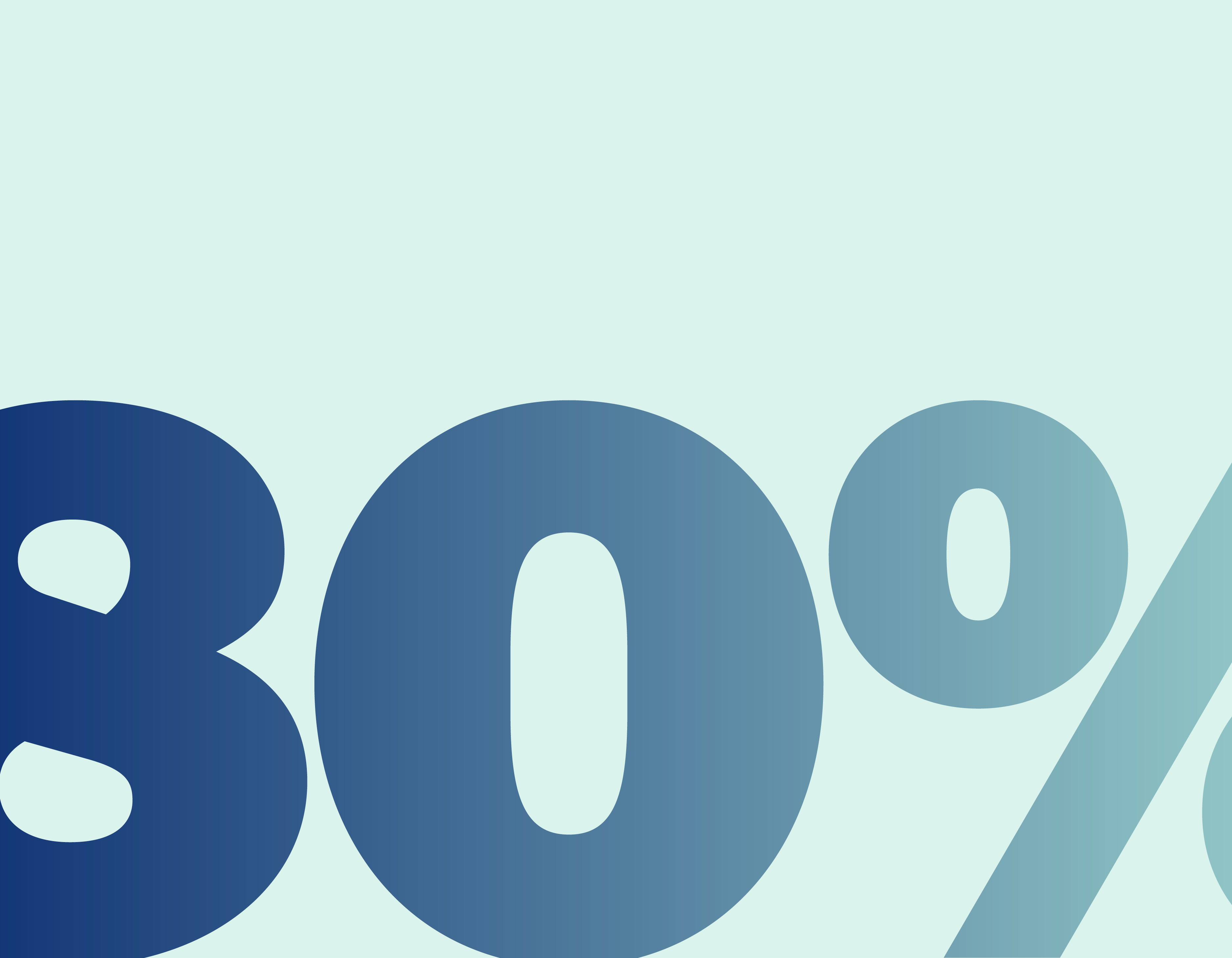
Cut Costs by 80% on Cross-Border Business Payments
Cut Costs by 80% on Cross-Border Business Payments
Cut Costs by 80% on Cross-Border Business Payments
Category
News
Insights
Date Published
Written by

Damisaverse
Read Time
If information travels instantly and for free, why does moving value still take three days and cost 3% to 5% of the principal?
For businesses operating internationally, the traditional banking system imposes a speed limit on growth. Reliance on the correspondent banking network results in opaque fees, unfavorable FX rates, and unpredictable delays.
However, a shift in infrastructure is occurring. It isn't about speculative trading; it's about utility. By adopting cross-border business payments via crypto, companies are bypassing legacy bottlenecks entirely.
At Damisa, we view this not as a crypto revolution, but as a necessary software update for global finance.
What You Will Learn
The Problem: Traditional wires (SWIFT) rely on intermediaries, costing businesses up to 5% per transaction and taking 2–7 days to settle.
The Solution: Cross-border business payments using crypto rails (stablecoins) allow for peer-to-peer settlement, reducing costs by ~80%.
The Mechanism: How Blockchain Rails differ from Bank Rails.
The Implementation: How Damisa helps B2B companies access this liquidity without managing complex keys or wallets.
Defining the Architecture: Rails vs. Assets
To understand how cross-border business payments crypto solutions work, we must separate the asset from the network.
The Rails (The Network): Traditional banks use SWIFT (messaging) and correspondent banks (settlement). This is old, slow piping. Damisa uses Blockchain Rails (like Ethereum, Solana, or Polygon). These are modern, internet-native pipes that operate 24/7.
The Asset (The Money): We are not moving volatile assets like Bitcoin. We are moving Stablecoins (like USDC or USDT). These are digital tokens pegged 1:1 to the US Dollar.
Read More: Confused about the difference between private stablecoins and government digital currencies? Read our deep dive on: Why CBDCs Are Losing Ground to Stablecoins.
How Cross-Border Business Payments via Crypto Cut Costs
The headline promise of reducing costs by 80% is not marketing fluff; it is a result of removing intermediaries.
In a standard international wire transfer, fees are incurred at multiple points:
Sending Bank Fee: $15–$50.
Intermediary Bank Fees: $10–$30 (often deducted from the principal without warning).
Receiving Bank Fee: $10–$25.
The FX Spread: Banks often markup the exchange rate by 2–4%.
The Damisa Approach: When you utilize cross-border business payments with crypto rails, the transaction is peer-to-peer.
Intermediaries: Zero.
Network Fee: Cents (depending on the chain used).
Settlement Time: Minutes.
For a business moving $50,000 monthly, the difference between a 3% total cost (Traditional) and a 0.5% total cost (Stablecoin) is $15,000 in annual savings added directly to the bottom line.
Real-World Application: Solving the "Settlement Gap"
The most potent use cases for cross-border business payments crypto solutions are found where speed and trust are paramount.
Real Estate and High-Value Asset Transfers
In property markets, such as Portugal or the UAE, moving large deposits via banks can trigger compliance holds that last weeks, endangering deals.
The Fix: Damisa facilitates the movement of funds into secure, programmable wallets. The funds can be verified instantly on-chain, providing transparency for both buyer and seller.
See how this impacted the Portuguese market in our testimonial from Erik de Vlieger, CEO of Carvoeiro Branco.
"Partnering with Damisa has transformed how we sell real estate in Portugal. By leveraging blockchain technology, we're now able to offer faster, more secure, and fully transparent property transactions — a true game changer for the Portuguese property market.”
Supply Chain & Logistics
Freight forwarders often face penalties (demurrage) if cargo isn't released immediately. Waiting for a bank wire to clear over a weekend can cost thousands in fines.
The Fix: Cross-border business payments using crypto settle 24/7/365. A payment made on Saturday arrives on Saturday, releasing the cargo instantly.
Marketplace Payouts & The Gig Economy
For platforms managing thousands of small payouts to freelancers globally, wire fees are prohibitive. You cannot send a $100 payment if the wire fee is $30.
The Fix: Programmable payouts allow for bulk-sending stablecoins to thousands of wallets simultaneously for fractions of a cent.
Deep Dive: As assets move on-chain, the need for instant settlement grows. Learn more about the future of asset movement in our article: What is Tokenisation? The Evolution of Real-World Assets.
How Damisa Bridges the Gap for cross-border business payments
If cross-border business payments via crypto are so superior, why isn't every business using them? Complexity.
Most CFOs do not want to manage private keys, gas fees, or exchange risks. That is where Damisa fits in. We provide the B2B infrastructure layer.
We allow you to maintain your current business logic while accessing the benefits of crypto settlement.
Global Collections: Receive funds from clients in their local fiat or stablecoins.
Smart Treasury: Hold USD-denominated stablecoins to hedge against local currency devaluation.
Seamless Payouts: Use our dashboard or API to disburse funds to vendors globally.
We handle the blockchain complexity; you enjoy the liquidity.
Conclusion: The Future of Cross-border Business Payments is Frictionless
The era of waiting three days for money to move is ending. For modern businesses, the choice is clear: continue paying the "inefficiency tax" of legacy banking, or upgrade to the speed and cost-efficiency of cross-border business payments using crypto.
Don't let outdated infrastructure slow down your global operations.
Ready to secure your transactions and lower your costs?
Contact Damisa today to discuss a custom solution for your treasury and payment needs.
If information travels instantly and for free, why does moving value still take three days and cost 3% to 5% of the principal?
For businesses operating internationally, the traditional banking system imposes a speed limit on growth. Reliance on the correspondent banking network results in opaque fees, unfavorable FX rates, and unpredictable delays.
However, a shift in infrastructure is occurring. It isn't about speculative trading; it's about utility. By adopting cross-border business payments via crypto, companies are bypassing legacy bottlenecks entirely.
At Damisa, we view this not as a crypto revolution, but as a necessary software update for global finance.
What You Will Learn
The Problem: Traditional wires (SWIFT) rely on intermediaries, costing businesses up to 5% per transaction and taking 2–7 days to settle.
The Solution: Cross-border business payments using crypto rails (stablecoins) allow for peer-to-peer settlement, reducing costs by ~80%.
The Mechanism: How Blockchain Rails differ from Bank Rails.
The Implementation: How Damisa helps B2B companies access this liquidity without managing complex keys or wallets.
Defining the Architecture: Rails vs. Assets
To understand how cross-border business payments crypto solutions work, we must separate the asset from the network.
The Rails (The Network): Traditional banks use SWIFT (messaging) and correspondent banks (settlement). This is old, slow piping. Damisa uses Blockchain Rails (like Ethereum, Solana, or Polygon). These are modern, internet-native pipes that operate 24/7.
The Asset (The Money): We are not moving volatile assets like Bitcoin. We are moving Stablecoins (like USDC or USDT). These are digital tokens pegged 1:1 to the US Dollar.
Read More: Confused about the difference between private stablecoins and government digital currencies? Read our deep dive on: Why CBDCs Are Losing Ground to Stablecoins.
How Cross-Border Business Payments via Crypto Cut Costs
The headline promise of reducing costs by 80% is not marketing fluff; it is a result of removing intermediaries.
In a standard international wire transfer, fees are incurred at multiple points:
Sending Bank Fee: $15–$50.
Intermediary Bank Fees: $10–$30 (often deducted from the principal without warning).
Receiving Bank Fee: $10–$25.
The FX Spread: Banks often markup the exchange rate by 2–4%.
The Damisa Approach: When you utilize cross-border business payments with crypto rails, the transaction is peer-to-peer.
Intermediaries: Zero.
Network Fee: Cents (depending on the chain used).
Settlement Time: Minutes.
For a business moving $50,000 monthly, the difference between a 3% total cost (Traditional) and a 0.5% total cost (Stablecoin) is $15,000 in annual savings added directly to the bottom line.
Real-World Application: Solving the "Settlement Gap"
The most potent use cases for cross-border business payments crypto solutions are found where speed and trust are paramount.
Real Estate and High-Value Asset Transfers
In property markets, such as Portugal or the UAE, moving large deposits via banks can trigger compliance holds that last weeks, endangering deals.
The Fix: Damisa facilitates the movement of funds into secure, programmable wallets. The funds can be verified instantly on-chain, providing transparency for both buyer and seller.
See how this impacted the Portuguese market in our testimonial from Erik de Vlieger, CEO of Carvoeiro Branco.
"Partnering with Damisa has transformed how we sell real estate in Portugal. By leveraging blockchain technology, we're now able to offer faster, more secure, and fully transparent property transactions — a true game changer for the Portuguese property market.”
Supply Chain & Logistics
Freight forwarders often face penalties (demurrage) if cargo isn't released immediately. Waiting for a bank wire to clear over a weekend can cost thousands in fines.
The Fix: Cross-border business payments using crypto settle 24/7/365. A payment made on Saturday arrives on Saturday, releasing the cargo instantly.
Marketplace Payouts & The Gig Economy
For platforms managing thousands of small payouts to freelancers globally, wire fees are prohibitive. You cannot send a $100 payment if the wire fee is $30.
The Fix: Programmable payouts allow for bulk-sending stablecoins to thousands of wallets simultaneously for fractions of a cent.
Deep Dive: As assets move on-chain, the need for instant settlement grows. Learn more about the future of asset movement in our article: What is Tokenisation? The Evolution of Real-World Assets.
How Damisa Bridges the Gap for cross-border business payments
If cross-border business payments via crypto are so superior, why isn't every business using them? Complexity.
Most CFOs do not want to manage private keys, gas fees, or exchange risks. That is where Damisa fits in. We provide the B2B infrastructure layer.
We allow you to maintain your current business logic while accessing the benefits of crypto settlement.
Global Collections: Receive funds from clients in their local fiat or stablecoins.
Smart Treasury: Hold USD-denominated stablecoins to hedge against local currency devaluation.
Seamless Payouts: Use our dashboard or API to disburse funds to vendors globally.
We handle the blockchain complexity; you enjoy the liquidity.
Conclusion: The Future of Cross-border Business Payments is Frictionless
The era of waiting three days for money to move is ending. For modern businesses, the choice is clear: continue paying the "inefficiency tax" of legacy banking, or upgrade to the speed and cost-efficiency of cross-border business payments using crypto.
Don't let outdated infrastructure slow down your global operations.
Ready to secure your transactions and lower your costs?
Contact Damisa today to discuss a custom solution for your treasury and payment needs.
Category
News
Insights
Date Published
Written by
Damisaverse
Category
News
Insights
Date Published
Written by:
Damisaverse
Frequently Asked Questions
Is using crypto for cross-border business payments legal?
Yes. Using stablecoins for settlement is legal in most major commercial jurisdictions. Damisa adheres to strict compliance standards (KYC/AML) to ensure your transactions are secure and regulatory-compliant.
Do I have to worry about Bitcoin volatility?
Do I have to worry about Bitcoin volatility?
How does this integrate with my accounting?
Damisa provides clear reporting and data exports compatible with standard accounting practices, ensuring that "on-chain" transactions are just as visible as bank transfers.
Blog and articles
Latest insights and trends
Blog and articles
Latest insights and trends







Financial infrastructure for global B2B settlements.
Command your multi-currency liquidity without correspondent banking friction.
Infrastructure
Global Corridors


European Union Regulatory Disclosure: Damisa Technologies Europe sp. z o.o. is a Virtual Asset Service Provider (VASP) registered in the Polish VASP register maintained by the Tax Administration Chamber in Katowice under number RDWW-1839. The company has a fully paid-up share capital of PLN 20,000. Registered office: Zelazna 51/53, 00-841 Warsaw, Poland. Registered in the National Court Register (KRS) under number 0001088305 in the 14th Commercial Division of the District Court for the Capital City of Warsaw. NIP: 1182279131 | REGON: 527803277.
Australian Regulatory Disclosure: Damisa Technologies Pty Ltd (ACN 682 846 966) is registered in Australia with its registered office at 81-83 Campbell Street, Surry Hills, New South Wales, 2010. The company is registered with AUSTRAC as a provider of digital currency exchange services and as an independent remittance dealer on the AUSTRAC Remittance Sector Register.
Compliance & Contact: General inquiries: hello@damisa.xyz. Correspondence regarding complaints, personal data protection, or counteracting money laundering and terrorist financing can be sent to the company's mailing address or electronically to compliance@damisa.xyz.
Risk Warning: Digital assets are subject to market volatility and regulatory changes. The use of digital currency exchange services carries inherent risks. Damisa provides B2B financial infrastructure and does not offer consumer investment advice.
© 2026 Damisa Technologies. All rights reserved.
Financial infrastructure for global B2B settlements.
Command your multi-currency liquidity without correspondent banking friction.
Infrastructure
Global Corridors
European Union Regulatory Disclosure: Damisa Technologies Europe sp. z o.o. is a Virtual Asset Service Provider (VASP) registered in the Polish VASP register maintained by the Tax Administration Chamber in Katowice under number RDWW-1839. The company has a fully paid-up share capital of PLN 20,000. Registered office: Zelazna 51/53, 00-841 Warsaw, Poland. Registered in the National Court Register (KRS) under number 0001088305 in the 14th Commercial Division of the District Court for the Capital City of Warsaw. NIP: 1182279131 | REGON: 527803277.
Australian Regulatory Disclosure: Damisa Technologies Pty Ltd (ACN 682 846 966) is registered in Australia with its registered office at 81-83 Campbell Street, Surry Hills, New South Wales, 2010. The company is registered with AUSTRAC as a provider of digital currency exchange services and as an independent remittance dealer on the AUSTRAC Remittance Sector Register.
Compliance & Contact: General inquiries: hello@damisa.xyz. Correspondence regarding complaints, personal data protection, or counteracting money laundering and terrorist financing can be sent to the company's mailing address or electronically to compliance@damisa.xyz.
Risk Warning: Digital assets are subject to market volatility and regulatory changes. The use of digital currency exchange services carries inherent risks. Damisa provides B2B financial infrastructure and does not offer consumer investment advice.
© 2026 Damisa Technologies. All rights reserved.
Financial infrastructure for global B2B settlements.
Command your multi-currency liquidity without correspondent banking friction.
Infrastructure
Global Corridors
European Union Regulatory Disclosure: Damisa Technologies Europe sp. z o.o. is a Virtual Asset Service Provider (VASP) registered in the Polish VASP register maintained by the Tax Administration Chamber in Katowice under number RDWW-1839. The company has a fully paid-up share capital of PLN 20,000. Registered office: Zelazna 51/53, 00-841 Warsaw, Poland. Registered in the National Court Register (KRS) under number 0001088305 in the 14th Commercial Division of the District Court for the Capital City of Warsaw. NIP: 1182279131 | REGON: 527803277.
Australian Regulatory Disclosure: Damisa Technologies Pty Ltd (ACN 682 846 966) is registered in Australia with its registered office at 81-83 Campbell Street, Surry Hills, New South Wales, 2010. The company is registered with AUSTRAC as a provider of digital currency exchange services and as an independent remittance dealer on the AUSTRAC Remittance Sector Register.
Compliance & Contact: General inquiries: hello@damisa.xyz. Correspondence regarding complaints, personal data protection, or counteracting money laundering and terrorist financing can be sent to the company's mailing address or electronically to compliance@damisa.xyz.
Risk Warning: Digital assets are subject to market volatility and regulatory changes. The use of digital currency exchange services carries inherent risks. Damisa provides B2B financial infrastructure and does not offer consumer investment advice.
© 2026 Damisa Technologies. All rights reserved.